
Newsletter: How I’m Using AI for My Newsletter ✍️ ; Don’t Ask Fans to Give—Tie Giving to Action 🙌 ; Your Next Channel Doesn’t Have to be Digital 🪧
Since January, I’ve been experimenting with AI to help me write this newsletter—and, honestly, it’s the only reason I’m back to publishing weekly. 🙌
My goal isn’t to replace my voice. I'm really trying to protect it—to scale it.
Writing something good every week—something that’s actually worth reading—is fricken hard and takes a lot of time—way more time than most people realize.
That’s where AI comes in.
But I’m not asking AI to write for me. I’m asking it to write with me.
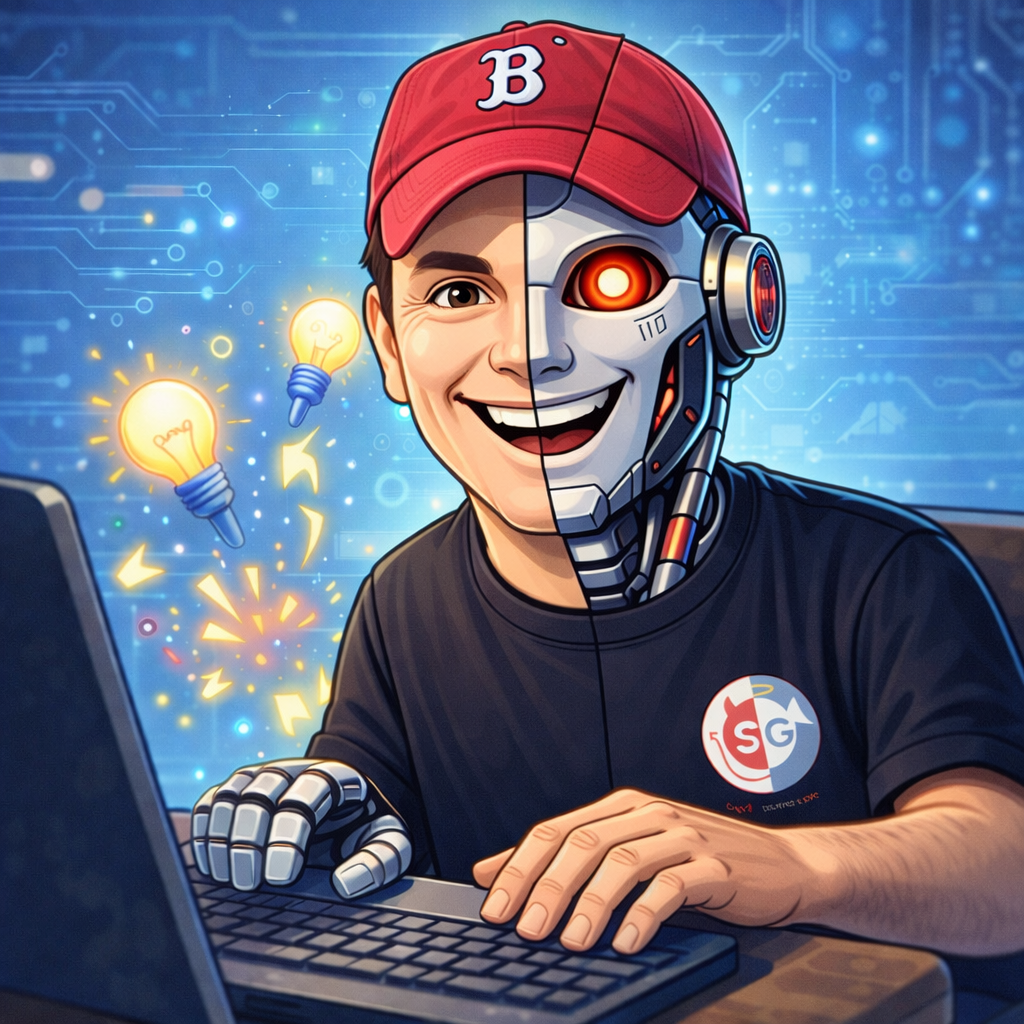
You've heard of G.I. Joe. Now meet AI Joe!
And to make that work, I’ve gone pretty deep. I uploaded years of my writing from Selfish Giving—all the way back to 2004—so it understands how I think, how I structure things, and what I sound like on a good day.
Even then, it’s not easy.
I have to push it. I rewrite sentences. I sharpen anything that needs more of that "Boston edge."
Sometimes I’ll say: “That’s fine…now make it sound like me. Drop a few f-bombs and r’s, will ya?”
And we go back and forth—until it decides the strongest f-bomb I should use is “fricken.” 🙄
Maybe AI (and my wife) is right.
Maybe not.
But I am using AI to make it clearer—and hopefully better. You can tell me if I'm on the right path.
AI is also changing how I build the rest of this newsletter.
Each week, I run what I call my Partnership Radar—a scan of articles, campaigns, and ideas from across marketing, business, and nonprofits.
I pick the ones that look interesting and different.
Then I work with AI to turn them into what I call "blurbs" for the different sections of the newsletter:
✅ What’s the partnership lesson?
✅ Why does this matter?
✅ What can you actually use?
And again—it’s not one pass.
We refine it. We tighten it. We make sure it sounds like something I’d actually say. (In short, we dumb it down! Ha!)
Because the goal isn’t content, it’s clarity.
If you know what you want to say, AI helps you say it faster—and usually better.
I’ll be honest with you, friends: just about every sentence AI suggests is better than the one I wrote. It’s both amazed me—and made me wicked, wicked sad.
So yes, AI helped write this newsletter.
But every idea, every edit, every line—that’s still me.
Just with a little help.
✍️ Partnership Notes
Two partnership insights that matter.
⚾ Don’t ask fans to give—tie giving to an action and let brands donate.
A campaign from AbbVie shows how sports partnerships can turn fan engagement into measurable impact by linking corporate donations to on-field actions, like strikeouts or home runs. What’s interesting is that this approach isn’t limited to consumer brands—AbbVie is a pharmaceutical company, not a traditional retail player. The insight isn’t just about baseball. It’s about structure. When brands tie giving to actions audiences already follow, engagement becomes frictionless, and results are easy to track. And these opportunities aren’t limited to major league teams. Minor league and AAA teams offer similar mechanics with strong local engagement and more accessible partnerships.
🎤 Logo placement is out. Experience is in.
SXSW reinforced a big shift in sponsorships: brands aren’t buying visibility—they’re creating experiences. A partnership between Harvest Snaps and the San Diego Zoo Wildlife Alliance shows how that plays out, with on-site activation, retail demos, influencer content, and digital engagement working together. The takeaway: the best partnerships don’t live in one place. They show up across channels, invite participation, and give people something to do—not just something to see.
🤑 Marketing Your Cause
One move you should steal.
🏷️ Your next marketing channel might not be digital.
A Shopify piece on sticker marketing is a good reminder that visibility isn’t limited to screens. Stickers work because they’re cheap, portable, and easy to distribute—turning customers and supporters into your marketing channel. But the bigger lesson for nonprofits isn’t stickers—it’s distribution. Where can your message show up in the real world? Events, local businesses, volunteers, and partners can all carry your story. In a crowded digital landscape, sometimes the smartest move is to show up where others aren’t.
😎 Cool Jobs in Cause
Find your next adventure.
🤝 National Director, Corporate Partnerships, American Parkinson Disease Association, New York City
🤝 Associate Director, Corporate Partnerships Business Development, The Breast Cancer Research Foundation, New York City
🤝 Director of Strategic Partnerships, Catholic Charities of Baltimore, Baltimore
🧠🍌 Brain Food
One thing that's feeding my thinking.
🙌 AI raised the bar—lived experience is the edge.
This article argues that AI hasn’t killed thought leadership—it’s just made it easier to spot what’s real. When anyone can generate polished content, what stands out is lived experience: what you’ve actually done, seen, and learned firsthand. For example, last month I wrote about how to avoid partnership Hell and referenced Dante’s Inferno. AI was a big help in organizing the post and sharpening the writing. But it didn’t read Dante for me—and it didn’t find the two partnership examples I used. I did that. That’s thought leadership! The key takeaway for partnership professionals: to produce good thought leadership, you actually have to have some thoughts and experiences of your own. AI can help with the rest!
That's it for this week! See you next time.
