
Newsletter: The Heroes Who Actually Make Partnerships Work👷♀️; Nonprofits Spend Too Much Time Pitching Partnerships ⚾️ ; Consumers Care About Impact—But Trust it Less 🤨
I’ve been reading The Tyranny of Merit by Michael J. Sandel. It was a controversial book when it came out in 2020. I have my qualms about it, too, but two chapters in particular have stuck with me: The Ethics of Success and Recognizing Work.
Sandel argues that modern society tends to celebrate the people at the top while overlooking those whose everyday work keeps things running.
Perhaps, like me, you came to appreciate this more during the pandemic. I remember thinking how much we glorify movie stars and professional athletes, while the housekeeper cleaning a COVID ward might be called “essential” yet remain largely invisible.
Reading Sandel reminded me of something I’ve seen repeatedly in corporate partnership programs. When a campaign succeeds, we often credit the strategy, the marketing, or the leadership team that designed it. But the real engine of these programs is usually much closer to the customer.
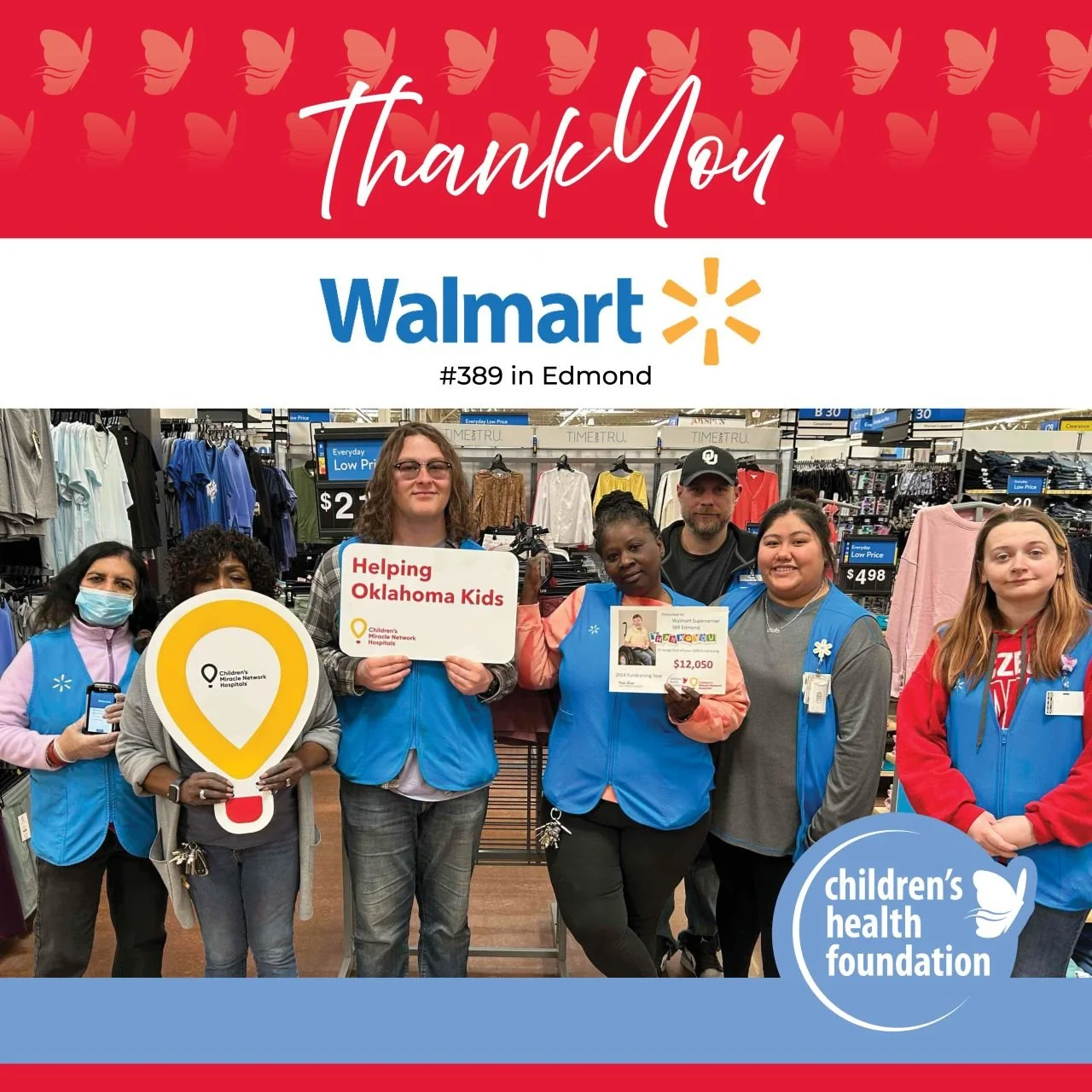
Years ago, I visited the top fundraising store in a regional cause marketing campaign. It had raised far more money than any other store in the program. Naturally, everyone assumed there must be something special about the management, the market, or the execution plan.
When I got there, the answer turned out to be much simpler.
It was one person.
One cashier was responsible for most of the donations. She—and my experience since then has confirmed it's almost always a she—asked customers about the campaign every time someone came through her line. She believed in the cause, and she wasn’t shy about explaining why it mattered. Customers responded to her enthusiasm, and the donations added up quickly.
The entire “top-performing store” story really came down to one frontline employee who decided the campaign was worth her effort.
That experience stuck with me because it revealed something we often overlook in partnership work. Programs don’t succeed solely because of strategy. They succeed because the people closest to the customer—or the community—choose to make them succeed.
Sandel’s point about recognizing work applies here. In many fields, we celebrate the planners and the leaders while overlooking the people who actually carry out the work that makes success possible. Corporate partnerships are no different.
Frontline employees, volunteers, store managers, and community members are often the true engines of partnership programs. They’re the ones who ask the customer to donate, explain the cause, organize the event, or recruit the volunteers.
The next time we talk about a successful partnership campaign, it’s worth remembering that the real story may not be the strategy deck or the marketing plan.
It might just be the person at the register who cared enough to ask, "Would you like to donate a dollar to help sick kids?"
✍️ Partnership Notes
Three partnership insights that matter.
🧑💼 Partnership deals rarely get approved by one person anymore.
A useful piece from The Follow Up explains how most B2B deals today are approved by buying committees, not individual decision-makers. That means different stakeholders evaluate the same proposal through different lenses: finance focuses on risk, marketing on brand value, legal on structure, and leadership on reputation. The partnership insight: your goal isn’t just to convince one champion inside a company—it’s to equip that person to sell the partnership internally. Clear case studies, proof of results, and simple program structures help your internal advocate answer the questions everyone else in the room will ask.
🥃 Maker’s Mark shows how brands can turn participation into philanthropy.
A roundup of Women’s History Month campaigns highlights a clever activation from Maker’s Mark that blends storytelling with giving. Through its Maker’s Mark Personalized Label Program, people can create custom bourbon labels online—and for every label made during the campaign, the company donates to organizations supporting women in the spirits industry. It’s a simple idea with big partnership lessons: participation becomes the trigger for giving.
⚾️ Nonprofits spend too much time pitching partnerships.
I’ve spoken at the Corporate Partnerships Conference for several years, focusing on tactical topics like case studies, audience-centric fundraising, AI for partnerships, and, most recently, partnership newsletters. This year, on March 26, I’m bringing them together for a new session titled "From Pitching to Proof: A Smarter Way to Build Partnerships." The premise is simple—partnerships are rarely won because of a clever pitch. They’re won because organizations have built credible proof that they’re worth partnering with. In this session, I’ll share a framework for how nonprofits can create that proof, turn it into credibility, and use it to attract future partners more easily. Enter SELFISH15 at checkout to save an additional 15%.
🤑 Marketing Your Cause
Two moves you should steal.
📊 Consumers still care about impact—but they trust it less.
A new 2026 Conscious Consumer Report from Public Inc. offers an interesting contradiction. Conscious purchasing is actually rising—about 40% of purchases now factor in social or environmental considerations, up from 38% last year. But trust in corporate impact messaging is collapsing. Nearly three-quarters of consumers say they have little or no confidence in companies’ sustainability claims. The takeaway for partnership pros: the problem isn’t interest—it’s credibility. Consumers still want to support brands doing good, but vague promises don’t move them anymore. Clear, specific PROOF of impact—especially through real programs and partnerships—is what closes the confidence gap.
😎 Cool Jobs in Cause
Find your next adventure.
🤝 Senior Director, Nationwide Corporate Relations, American Lung Association, Chicago
🤝 Director, Corporate Partnerships, Baby2Baby, Los Angeles
🤝 Manager, Corporate Partnerships, Operation Homefront, Remote
🤝 Partnership & Sponsorship Manager, City of Boston, Boston
🧠🍌 Brain Food
One thing that's feeding my thinking.
⏰ AI was supposed to save time. For many people, it’s doing the opposite.
A thoughtful piece from Every explores an uncomfortable reality: while AI tools promise efficiency, they often increase the amount of work we feel responsible for doing. When research, writing, analysis, and brainstorming all become faster, expectations rise, and the scope of work quietly expands. The result is a new productivity paradox—AI reduces the friction of work but increases its volume. The lesson for partnership professionals experimenting with AI: tools don’t create leverage by themselves. Real leverage comes from deciding what work you won’t do anymore, not just doing more work faster.
